General insurance complaints grew for a fifth straight year, and ASIC has made claims handling an enforcement priority. The route for a declined pet claim is short and free.
Key facts
- AFCA received the highest number of complaints in its history in 2025–26: almost 120,000.Source: AFCA (media release via Medianet), Annual Review 2025-26: AFCA reports continued rise in complaints (22 October 2026), read 25 November 2026
- General insurance complaints were 36,022, a fifth year of growth. Motor vehicle insurance was the most complained-about general insurance product, with 14,430.Source: AFCA (media release via Medianet), Annual Review 2025-26: AFCA reports continued rise in complaints (22 October 2026), read 25 November 2026
- Claims and complaint handling failures by insurers are one of ASIC's enforcement priorities for 2026.Source: ASIC, 25-273MR ASIC announces 2026 enforcement priorities, read 25 November 2026
- Generally, an insurer must give a written response to a complaint within 30 calendar days of receiving it (RG 271).Source: ASIC, REP 802 Cause for complaint: Complaints handling in general insurance, read 25 November 2026
What the regulators are saying
- AFCA's chief ombudsman David Locke said insurers remain responsible for keeping customers informed, explaining delays and communicating clearly.Source: AFCA (media release via Medianet), Annual Review 2025-26: AFCA reports continued rise in complaints (22 October 2026), read 25 November 2026
- ASIC's letter to general insurers on 30 September 2026 lists claims handling and dispute resolution among its priorities for 2026–27.Source: ASIC, ASIC's 2026–27 general insurance sector priorities (letter to general insurers, 30 September 2026), read 25 November 2026
None of this decides your claim. What it does mean is that a clear, written complaint about a declined pet claim lands in a system that's being watched closely, and that the 30-day clock is a real obligation, not a courtesy.
The route, step by step
- Get the reasons. Ask the insurer to name the vet record, date and PDS clause the decision relies on, if the letter doesn't already.
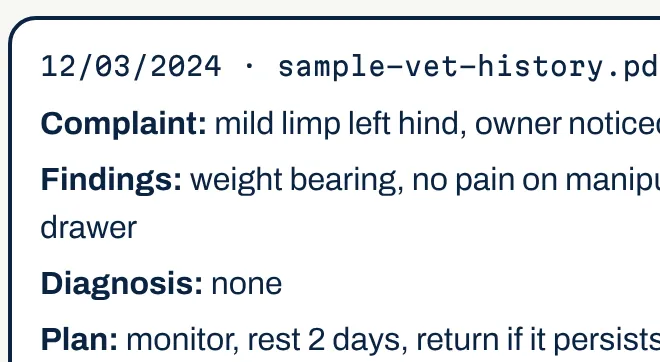
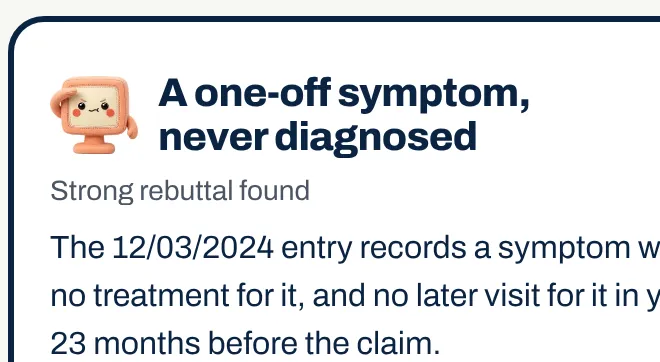
- Check the note. Read the whole vet visit they quote. Count the months from the last sign to your claim date, and compare it with the period in your PDS.
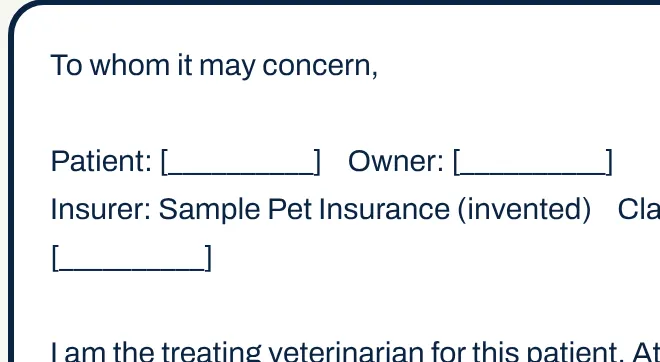
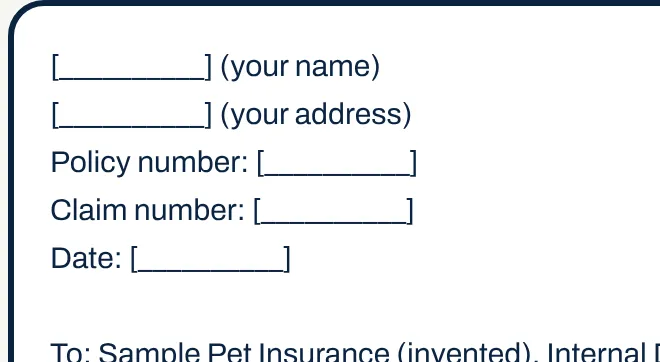
- Complain in writing. Say clearly that it's a complaint, and ask for it to go to internal dispute resolution. Attach the records and, if you have one, a factual letter from your vet. Note the date you sent it.
- Wait for the final response. The insurer generally has 30 calendar days. It can take longer only in limited cases, such as a complex complaint.
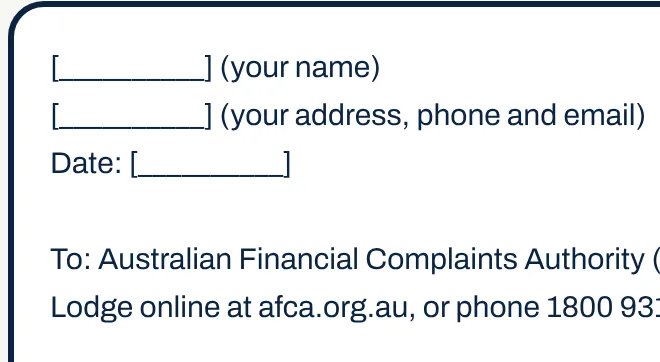
- Go to AFCA. If you don't get a final response in time, or you disagree with it, lodge a complaint with AFCA. It's free.
AFCA's time limits
- AFCA says financial firms generally have up to 30 days to respond to a complaint. If the firm doesn't respond in that time, can't resolve it, or you're unhappy with its answer, AFCA moves your complaint to the next stage.Source: AFCA, What to expect: financial firm response times, read 26 November 2026
- If you've already been through the insurer's internal dispute resolution, AFCA asks you to complain within two years of its IDR response.Source: AFCA, How AFCA can help, read 26 November 2026
- For most complaints the other limit is six years from when you first became aware, or should reasonably have become aware, of the loss. Whichever date comes first applies, and AFCA can extend the limits in special circumstances.Source: AFCA, The complaint process and time limits, read 26 November 2026
What we don't know yet
- How many of the 36,022 general insurance complaints were about pet insurance. AFCA's release doesn't break it out; its datacube reports by firm and product.
Was your claim declined?
Upload the decision letter and your vet records. The free check tests the insurer's decision against your records and shows how strong your appeal looks. The appeal packet is A$69, and free if there's nothing worth appealing.
Check my denial freeRelated guides: Bupa declined your pet's claim? How to challenge itMedibank declined your pet's claim? How to challenge itWoolworths Everyday Pet Insurance declined your pet's claim? How to challenge itPet Insurance Australia declined your pet's claim? How to challenge itCommBank Pet Insurance declined your pet's claim? How to challenge itHow to dispute a declined pet insurance claimTemporary vs chronic pre-existing conditions
More news: RSPCA Pet Insurance changed insurer. What happens to your pre-existing conditions?
How we write news: every fact links to the page we read and the date we read it. Lines without a source are our own explanation of those facts. Spotted an error? Email hello@checkmypetclaim.com and we'll correct it and note the change here.
Decision support only, not legal, veterinary or financial advice. You and your vet decide what to send. PetClaimCheck is a self-help tool for preparing your own appeal; it doesn't act for you or contact your insurer or AFCA. How we keep it accurate.