State regulators approved double-digit pet insurance increases this year. Switching can cut the premium, and it can also turn conditions your policy covers today into exclusions.
Key facts
- Georgia's insurance regulator approved an average 36.9% increase for Pets Best policies underwritten by American Pet Insurance, affecting 11,769 policies; 569 of them face increases of more than $1,000 a year.Source: Insurify, Thousands of Georgia pet parents face steep insurance rate hikes in 2026 (5 March 2026), read November 25, 2026
- In the same state, MetLife (Metropolitan General Insurance Company) was approved for a 27% overall increase on 10,732 policies, with a maximum renewal change of 40%, and Trupanion for 9.5% on 17,465 policies.Source: Insurify, Thousands of Georgia pet parents face steep insurance rate hikes in 2026 (5 March 2026), read November 25, 2026
- Live Insurance News added up public rate filings in California, Georgia and Florida and put the number of policyholders facing the increases at close to 400,000.Source: Live Insurance News, Nearly 400,000 pet insurance policyholders have been hit with double-digit rate hikes (21 November 2026), read November 25, 2026
- About 7 million US pets, more than 4%, were insured in 2025, and vet-service prices in September were 4.6% higher than a year earlier.Source: Reuters via NBC News, Rising vet bills drive more Americans to pet insurance (5 November 2026), read November 25, 2026
What the filings show
- Of the 11,769 Pets Best policies in the Georgia filing, 7,608 face increases of $100 to $500 a year and 1,893 face $500 to $1,000.Source: Insurify, Thousands of Georgia pet parents face steep insurance rate hikes in 2026 (5 March 2026), read November 25, 2026
A note on the headline number: the state totals in the Live Insurance News piece add up to about 380,500 policyholders, and two of the increases counted (7.9% and 9.5%) are below 10%. The direction is clear, though: in the states where filings are public, large groups of policyholders are renewing at noticeably higher prices.
Why switching is where claim denials start
- MetLife Pet's own switching guide warns that you may lose coverage for conditions that are currently covered, because they'll typically be considered pre-existing on a new plan, and that a new policy will likely bring new waiting periods.Source: MetLife Pet, Can you switch pet insurance providers?, read November 25, 2026
- Pets Best, for example, treats any illness or injury that begins before the policy's effective date, or during the waiting period, as pre-existing.Source: Pets Best, Pre-existing condition coverage, read November 26, 2026
- Figo, for example, says it may cover a curable pre-existing condition that shows no signs or symptoms within 12 months of treatment.Source: Figo, Pet insurance coverage (curable pre-existing, waiting periods, underwriter), read November 26, 2026
- Under the NAIC Pet Insurance Model Act, a condition covered on a policy can't be treated as pre-existing when that same policy renews. That protection is about renewing, not about moving to a new insurer.Source: NAIC, Pet Insurance Model Act (Model #633), read November 26, 2026
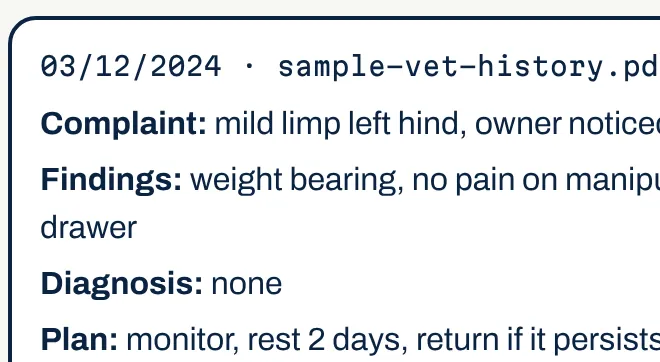
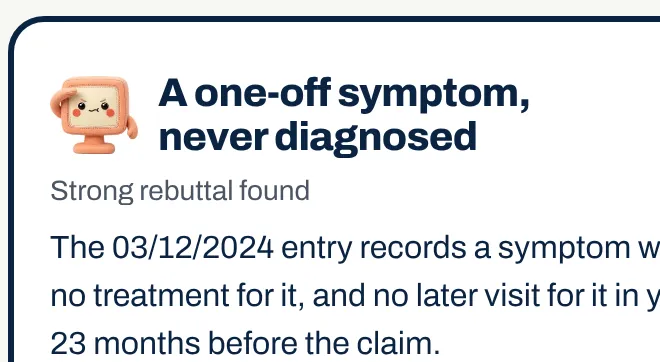
The renewal rule is the whole trade-off. Staying put keeps the renewal protection where your state has it. Moving starts a new policy, and the new insurer will read your pet's history from day one. A single line like "mild limp" or "scratching ears" from two years ago is exactly the kind of note that shows up later in a denial letter.
Cured conditions can come back into cover with some insurers, but cure periods differ, so ask about them before you move.
A 20-minute check before you cancel anything
- Get the full history. Ask your vet clinic for your pet's complete records, not just invoices. Every insurer you approach will read these.
- List every note. Write down each symptom, diagnosis and treatment with its date and which side or body area it involved. Include one-off notes that never led to a diagnosis.
- Ask the new insurer in writing. Send that list and ask how each item would be treated: excluded, excluded until a cure period passes, or covered. Ask for the cure period and the waiting periods in writing.
- Price the exclusions. Compare the premium saving with what an excluded condition could cost you if it comes back.
- Don't leave a gap. Keep the old policy until the new one has started and its waiting periods are over.
If a claim is denied after a switch
- If you're unhappy with how a claim was handled, you can file a complaint with your state department of insurance. The NAIC's consumer guide lists unfair claim denials as a reason to complain.Source: NAIC, How do I file a complaint against my insurance company?, read November 26, 2026
- Each state's insurance department and its complaint page are listed in the NAIC's state directory.Source: NAIC, Insurance department contact information by state, read November 26, 2026
- Under the NAIC Pet Insurance Model Act, the insurer must prove that the pre-existing condition exclusion applies. It's a model law, so check whether your state has adopted it.Source: NAIC, Pet Insurance Model Act (Model #633), read November 26, 2026
What we don't know yet
- How many more states will publish filings this year. Many states don't make pet insurance rate filings easy to find, so the true number of policyholders affected is unknown.
- Whether insurers will offer lower-priced plan changes (higher deductible, lower limit) to renewing customers instead of losing them. Ask your insurer what options exist before you leave.
Was your claim denied?
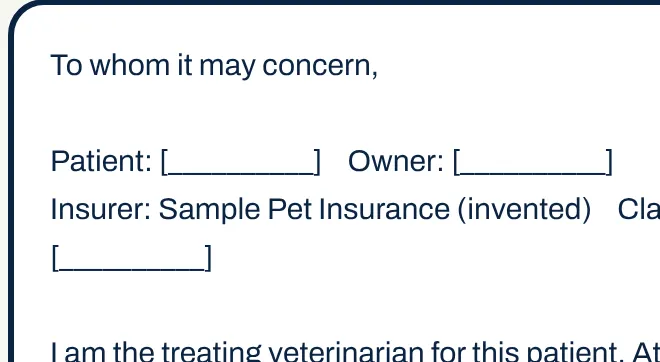
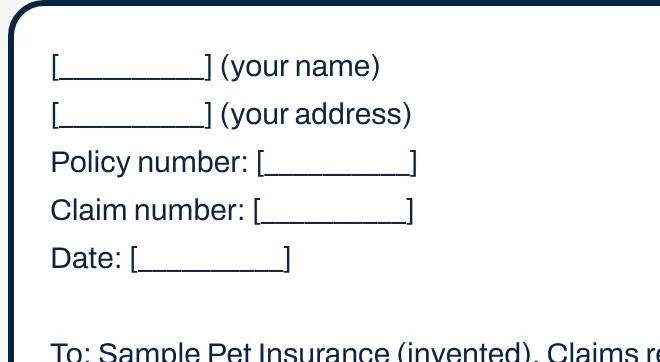
Upload the denial letter and your vet records. The free check tests the insurer's decision against your records and shows how strong your appeal looks. The appeal packet is US$49, and free if there's nothing worth appealing.
Check my denial freeRelated guides: Pets Best denied your pet's claim as pre-existing? How to appealMetLife Pet denied your pet's claim as pre-existing? How to appealTrupanion denied your pet's claim as pre-existing? How to appealFigo denied your pet's claim as pre-existing? How to appealWhat counts as a pre-existing condition in pet insurance?How to appeal a pet insurance claim denial
More news: New Jersey's Pet Insurance Act starts January 1, 2027: what it means for denied claimsRegulators now have a playbook for examining pet insurers. Here's why your complaint matters
How we write news: every fact links to the page we read and the date we read it. Lines without a source are our own explanation of those facts. Spotted an error? Email hello@checkmypetclaim.com and we'll correct it and note the change here.
Decision support only, not legal, veterinary or financial advice. You and your vet decide what to send. PetClaimCheck is a self-help tool for preparing your own appeal; it doesn't act for you or contact your insurer or your state. How we keep it accurate.